Date
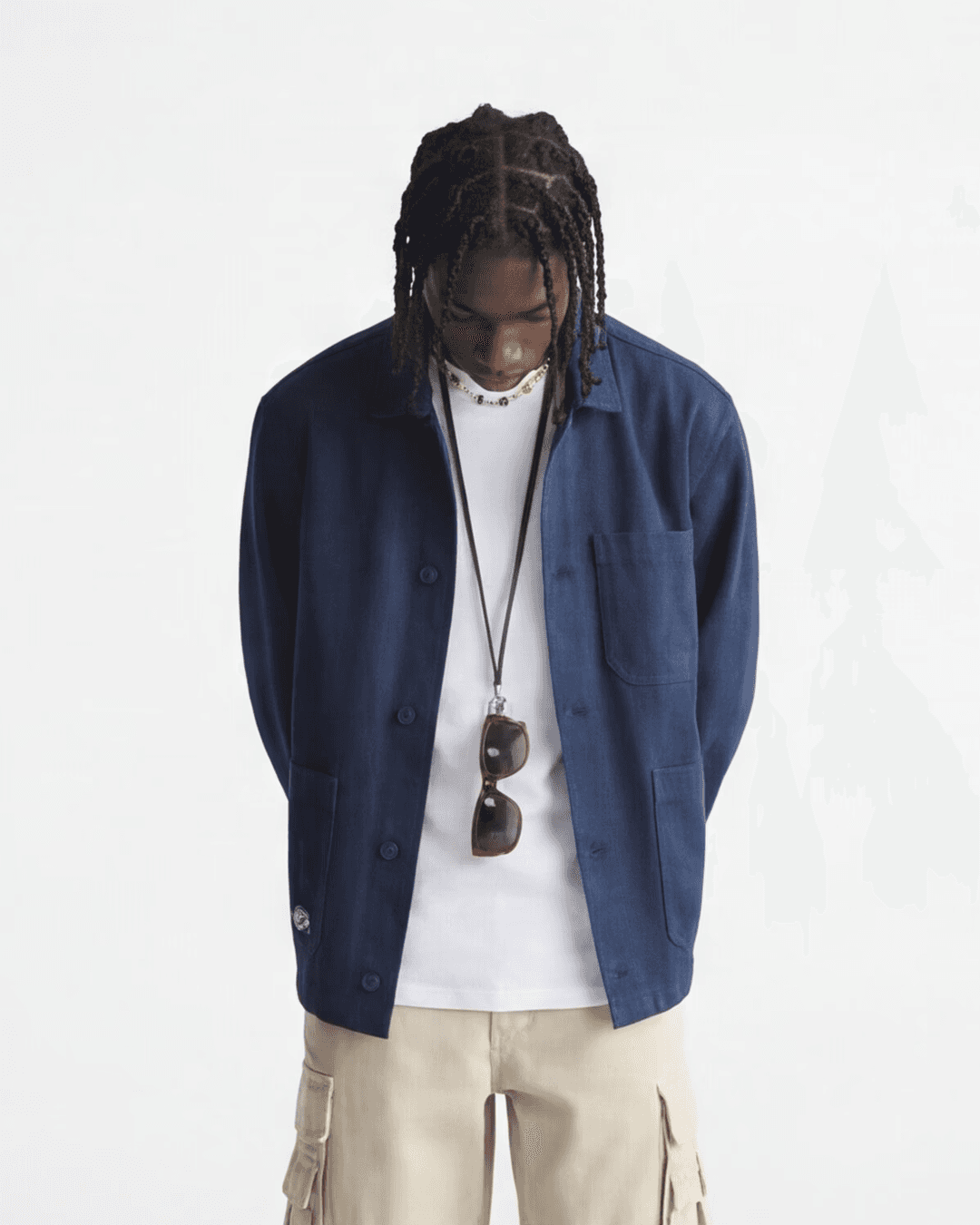
Clothing Tips for Men: 30+ Practical Tips Every Guy Should Know
Search "clothing tips for men" and you'll get a hundred articles telling you to "wear clothes that fit" and "invest in quality basics." True, but not exactly useful if you don't know *how* to check fit, *which* basics are actually worth the money, or what to do once you own good clothes so they don't fall apart in six months.
This guide goes a level deeper. It's not another "15 tips" listicle recycling the same five ideas — it's a practical, categorized reference covering fit, color, wardrobe building, budget shopping, and something almost nobody covers properly: how to actually take care of your clothes so they keep looking good. If you're looking for clothing tips for guys that you can act on today, not just nod along to, this is built for you.
Fit: The One Thing That Changes Everything
If you only take one section from this entire guide, make it this one. Fit is the single biggest factor separating men who look put-together from men who don't — bigger than brand, bigger than price, bigger than trend awareness.
Check the shoulder seam first. On shirts and jackets, the seam where the sleeve meets the body should sit exactly at the edge of your shoulder. If it droops past your shoulder or pulls inward, the size is wrong — no amount of styling fixes this.
Watch the waist, not just the chest. A shirt can fit perfectly across the chest and still look sloppy if it balloons out at the waist. This is the most common fit mistake Indian men make, largely because ready-made shirts are cut generously by default. If you have a noticeably slimmer waist than chest, look for a "tapered" or "slim" fit cut rather than a standard/regular fit.
Trousers should break once, cleanly. The "break" is the slight fold where the trouser hem meets your shoe. One clean break looks intentional. Multiple folds pooling at the ankle means the trousers are too long; showing sock above the shoe with shoes on means they're too short.
Sleeve length matters more than you think. Shirt sleeves should end right at your wrist bone, showing a small amount of cuff if you're wearing a jacket over it. Jacket sleeves should sit slightly shorter, letting about a quarter-inch of shirt cuff show.
When in doubt, size down and get it altered. A slightly-too-big garment tailored down almost always looks better than a slightly-too-small one you're hoping "loosens up." Fabric doesn't loosen the way you want it to.
Color and Coordination Made Simple
Most clothing tips for men content overcomplicates color theory. Here's the simplified, practical version.
Learn the 70-30 split. Keep roughly 70% of an outfit in neutral tones — white, black, navy, beige, grey, olive — and let 30% carry color or pattern. This single ratio prevents outfits from looking either boring (all neutral) or chaotic (too many competing colors).
Three colors is the practical ceiling. Most well-dressed outfits use two to three colors total, including shoes and accessories. Once you cross three, an outfit starts looking busy rather than intentional.
Know your undertone, not just your "favorite colors." Warm undertones (yellow/golden base) generally suit olive, rust, mustard, and warm browns. Cool undertones suit navy, charcoal, icy blues, and true reds. Neutrals like white, black, and navy work for nearly everyone regardless of undertone — which is exactly why they're the safest wardrobe foundation.
Match metal and leather tones. If you're wearing a silver watch, keep your belt buckle and any other metal accents silver too. Same logic for leather — black belt with black shoes, brown belt with brown shoes. Mixing tones here is a small detail that reads as careless when it's wrong.
Pattern mixing has one safe rule: vary the scale. A small check shirt under a larger check jacket can work; two similarly-scaled patterns together usually clash. If you're not confident mixing patterns yet, anchor any pattern with solid-colored pieces elsewhere in the outfit.
Building a Wardrobe That Actually Works
A lot of style advice assumes you're starting from zero or has an unlimited budget. Realistically, most guys are trying to fix or upgrade what they already have. Here's how to do that efficiently.
Start with a capsule, not a haul. You don't need 20 shirts — you need 6 to 8 that all work with the same 3 to 4 pairs of trousers. That's 24-32 outfit combinations from under a dozen pieces, which is more variety than most overstuffed closets actually deliver.
Buy trousers before shirts. Trousers are harder to get right — rise, taper, break — and more versatile once you nail the fit. A good pair of beige, navy, and charcoal trousers will outlast dozens of trend-driven shirts and pair with almost anything you add later.
Prioritize spend on things that touch your body directly. Underlayers, socks, and anything in constant contact with skin are worth spending more on for comfort and durability. Outerwear and statement pieces are where you can experiment with cheaper options since they're worn less often.
One great pair of shoes beats five mediocre ones. Footwear is one of the first things people notice, consciously or not. A single well-maintained pair of leather shoes or clean sneakers does more for how put-together you look than several cheap, quickly-worn-out pairs.
Duplicate what works. When you find a fit that genuinely works for your body — a certain shirt cut, a certain trouser rise — buy it again in a different color instead of hunting for something new. This removes decision fatigue and keeps your wardrobe consistent.
Clothing Care: The Tips Nobody Talks About
This is the section most "clothing tips for guys" articles skip entirely — and it's arguably where the biggest long-term difference gets made. Good clothes, poorly cared for, stop looking good fast. Here's how to actually make things last.
Wash less than you think you need to. Constant washing is one of the fastest ways to fade color and break down fabric structure, especially denim and knitwear. Unless visibly dirty or smelly, most trousers and jackets can be worn multiple times between washes.
Use cold water and turn dark clothes inside out. This single habit dramatically slows color fading, especially for black and navy pieces that go grey-ish with repeated hot washing.
Iron or steam before, not after, you need it. A wrinkled shirt pulled out five minutes before you need to leave never looks as good as one ironed the night before. Steaming is gentler on fabric than ironing and works well for structured jackets that shouldn't be pressed flat.
Use the right hangers. Wire hangers deform shoulders over time — invest in a set of wooden or contoured plastic hangers, especially for shirts and jackets. It's a small one-time cost that protects every garment you own long-term.
Let shoes rest between wears. Wearing the same pair of shoes two days in a row doesn't let the material and sole fully dry and recover, which shortens their lifespan considerably. Rotate at least two pairs if you can.
Deal with pilling instead of replacing the garment. Pilling on knitwear doesn't mean it's worn out — a fabric shaver or pilling comb restores the surface in a few minutes and instantly makes a sweater look newer than it is.
Store off-season clothes properly. Fold knitwear instead of hanging it (hanging stretches the shoulders and shape out over time), and use breathable garment bags rather than sealed plastic for anything stored long-term, to prevent moisture buildup.
Fit Tips by Body Type
Generic fit advice only goes so far — the right cut genuinely changes depending on your build. A few adjustments worth knowing:
If you're tall and lean, avoid overly slim-fit clothing that can make you look even narrower. Slightly structured shoulders and a regular (not skinny) trouser cut add visual balance without looking baggy.
If you're shorter, a higher-rise trouser elongates the leg line, and keeping shirt and jacket lengths shorter (not past the hip) avoids visually cutting your height down further. Vertical elements — like a subtle vertical stripe or a slightly longer jacket line — also help.
If you're broader or stockier, avoid anything too tight around the chest and shoulders, since clinging fabric emphasizes bulk rather than structure. A structured, semi-fitted cut (not skinny, not oversized) tends to be the most flattering middle ground.
If you're slim-built, slightly more structured shirts and jackets (as opposed to very soft, unstructured fabric) can add shape without needing to size up. Layering also works in your favor here more than it does for broader builds.
None of these are rigid rules — they're starting points. The actual test is always the mirror and how the garment moves with you, not a chart.
Layering: An Underused Tool Most Guys Skip
Layering isn't just a winter necessity — done right, it adds visual depth to even simple outfits year-round, and it's one of the easiest ways to make a basic tee-and-jeans combination look more considered.
Follow the thin-to-thick rule. Lighter layers go closest to the body, progressively thicker layers go on top. A thick hoodie under a thin jacket looks bulky and wrong; a t-shirt under a light overshirt under a jacket looks intentional.
Vary the lengths slightly. If every layer is exactly the same length, the outfit looks flat. Let an inner layer peek out slightly at the hem or collar — this is a small detail stylists use constantly, and it costs nothing extra.
Two layers is often enough. You don't need a t-shirt, shirt, sweater, and jacket to layer effectively. A tee under an overshirt, or a shirt under a light jacket, does the job without adding unnecessary bulk, especially given how warm most of India stays for large parts of the year.
Use layering to introduce color safely. If you're not confident wearing a bold color as a full outfit, a colored inner layer peeking out from a neutral outer layer is a lower-risk way to experiment.
Shopping Smart: A Practical Checklist
Given how much menswear shopping in India now happens online, a few habits make a real difference in hit rate versus return rate.
Always check the brand's specific size chart, not a general size guide — a "Medium" varies significantly between brands.
Read the fabric composition before the price. Cotton blends with at least 95% cotton generally wear and age better than heavy synthetic mixes, especially in humid weather.
Check return and exchange windows before buying, particularly for fitted trousers and formal wear where sizing mistakes are most common.
Look at customer photos, not just brand shots, when available — they show more realistic fit and color than professionally lit product photography.
Buy one piece and test it before repeating in bulk. If a brand's cut works for your body, only then buy multiples in other colors.
Dressing for Different Occasions
Office / smart-casual: A solid or subtly patterned shirt, tailored or straight-fit trousers, and leather footwear covers most modern Indian office dress codes without needing a full suit.
Casual everyday: A relaxed shirt or tee with well-fitted denim or chinos, and clean sneakers or loafers. This is the outfit you should be able to put together without thinking, which is why building a reliable capsule (covered above) matters most here.
Festive or semi-formal events: A well-fitted shirt in a richer color — maroon, mustard, deep green — with tailored trousers works as a strong middle ground when full traditional wear isn't required.
Weddings and formal events: This is where investing in one genuinely good outfit pays off. A well-tailored blazer or bandhgala, properly fitted trousers, and polished formal shoes will outlast and outperform several cheaper formal outfits bought for one-time use.
Budget-Smart Shopping Tips
Buy quality where it's visible and worn often. Shirts, trousers, and shoes you wear weekly deserve a bigger share of your budget than occasion-wear you'll use twice a year.
Time your purchases around end-of-season sales. Post-summer and post-winter sale periods are when better-quality pieces get discounted, not just fast-fashion overstock.
Read the fabric composition, not just the price tag. A cheaper shirt in 100% cotton will often look and last better than a pricier one in a low-quality synthetic blend. Check the label before checking the price.
Don't skip alterations. A ₹200-300 tailoring adjustment on a well-priced garment often delivers a better final fit than buying something more expensive off the rack that doesn't quite fit.
Try before you commit, especially online. Sizing varies significantly between brands even within the same "size" label. Check size charts carefully, read fit reviews, and understand the return policy before buying, particularly for trousers where fit is least forgiving.
Common Mistakes to Avoid
Sizing up out of habit. Oversized-everywhere reads as sloppy rather than relaxed. There's a real difference between an intentionally oversized overshirt and trousers that are simply the wrong size.
Ignoring shoe condition. Scuffed or worn-down shoes undercut an otherwise sharp outfit faster than almost any other mistake — and it's one of the cheapest problems to fix.
Over-relying on trends instead of fit. Trend pieces date quickly. Fit never goes out of style, so when in doubt, prioritize it over whatever's currently popular.
Skipping the mirror check before leaving. A thirty-second full-length mirror check — sleeves, waist, trouser break — catches most fit issues before they matter, and takes less time than it takes to lose confidence over them later.
Not accounting for Indian weather and fabric. A lot of general style advice assumes cooler climates. Heavy layering and wool blends that work elsewhere can be genuinely uncomfortable here for most of the year — linen, cotton, and breathable weaves aren't just practical, they also hold their shape better in humidity.
Frequently Asked Questions
What's the single most important clothing tip for men?
Fit. A well-fitted, inexpensive outfit will always look better than an expensive one that doesn't fit correctly. Every other styling decision matters less until fit is right.
How often should I actually wash my clothes?
Less often than most people assume, especially for trousers, jackets, and knitwear. Frequent washing breaks down fabric and fades color faster than normal wear does. Wash when visibly dirty or after heavy sweat, not on a fixed daily schedule.
What are cheap ways to instantly improve how I dress?
Iron your clothes before wearing them, replace worn-out shoes, and get ill-fitting trousers tailored. All three cost very little compared to buying new clothes and make a noticeably bigger difference than most people expect.
How many clothes does a guy actually need for a solid wardrobe?
Far fewer than most closets contain. Around 6-8 versatile shirts and 3-4 trouser colors, properly fitted and well cared for, can realistically produce more usable outfit combinations than a packed but mismatched wardrobe of 30+ pieces.
Where Grooming Fits Into the Picture
Clothing tips only go so far without acknowledging that grooming and clothing work together, not separately. A perfectly fitted outfit still loses impact next to unkempt facial hair, dry or ashy skin, or scuffed nails — these are small details that register subconsciously even when the observer can't immediately name what feels off. The reverse is also true: solid grooming basics (a clean haircut, a moisturized face, well-maintained hands) make even a simple, basic outfit look considerably more put-together than the clothing alone would suggest. If you're investing time into dressing better, ten minutes on basic grooming delivers a comparable return on that effort.
What are essential clothing tips for guys just starting to care about their style?
Start narrow, not wide. Fix fit first, pick two or three neutral colors as your foundation, and build outward slowly rather than buying a large wardrobe all at once. Most style mistakes come from too many pieces that don't work together, not too few.
Do expensive clothes actually look better than affordable ones?
Not automatically. Fit and fabric quality matter more than price point. A well-fitted, mid-range cotton shirt will consistently outperform an expensive but poorly fitted one. Price becomes relevant mainly in fabric durability and construction quality over time, not immediate appearance.
Putting It Into Practice
Good style isn't really about knowing more trends or owning more clothes — it's about getting the fundamentals right consistently: fit that's checked, not assumed; a small wardrobe of pieces that actually work together; and basic care habits that protect what you've already bought. Start with fit, since it fixes the most visible problems fastest, then build outward from there.
If you'd rather see these principles applied to real, shoppable outfits instead of starting from scratch, Aelys breaks down complete looks — office, casual, and festive — piece by piece, sourced from Myntra, Ajio, and Amazon, so you can go from "I like this look" to actually owning it in a few clicks.